
Be the tablethey booktonight.
Nobody scrolls ten results to pick dinner. They ask for one recommendation and take it, and that answer is decided before your website is ever opened.
AI-native search for Restaurants.
FableWave Digital gets restaurants named in the answer, not just listed in the results. That means a Google Business Profile built for the queries people actually type, a menu published as readable text rather than a photograph, structured data that states cuisine, price band, hours and location in a form a model can quote, and a review engine that keeps the signal fresh. When a diner asks an assistant for the best biryani, brunch or birthday dinner nearby, the restaurant is eligible for that sentence.
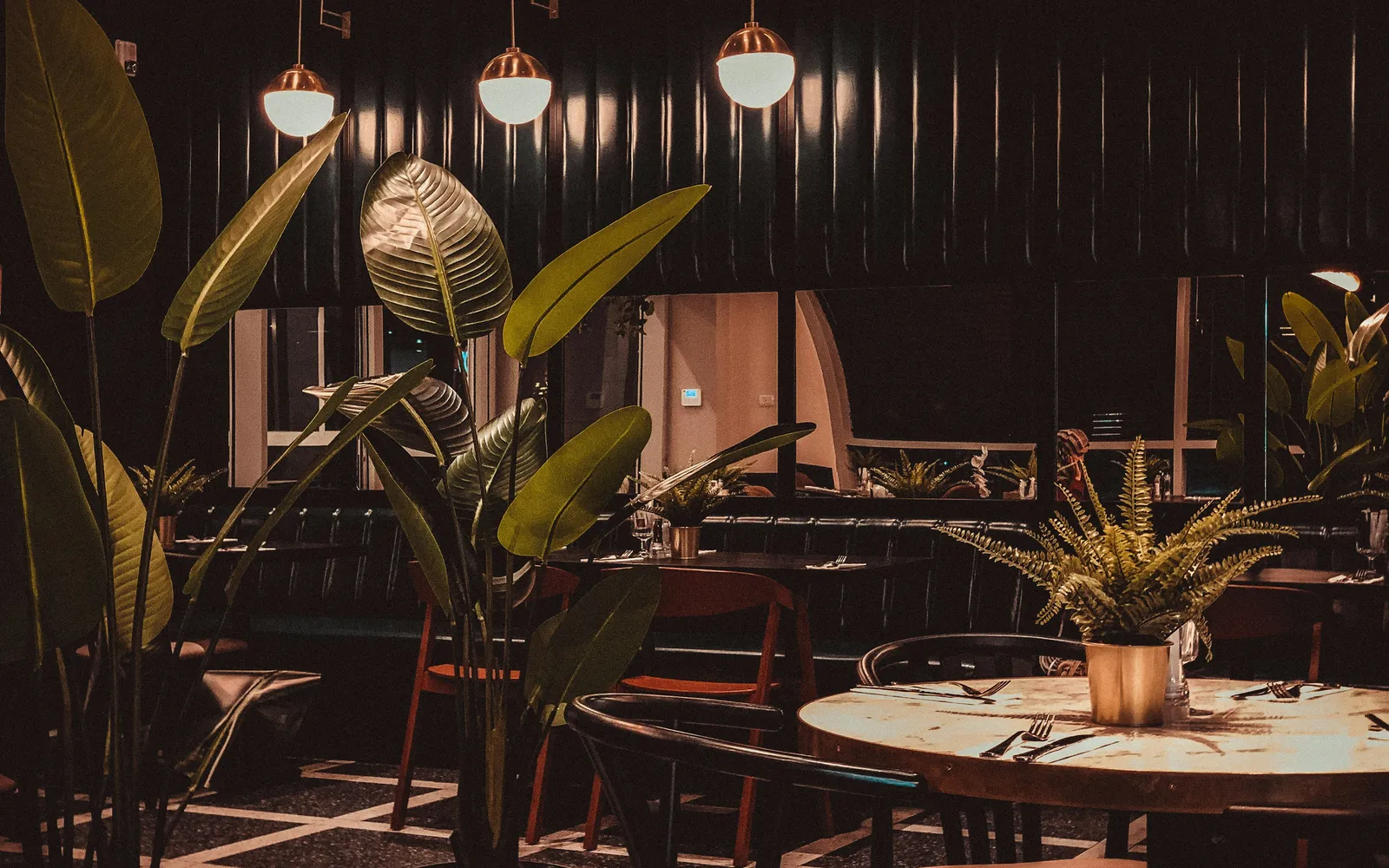
A menu published as a photograph is a menu no assistant can read.
Where restaurant visibility breaks
Restaurants lose the answer for reasons that have nothing to do with the food. The information a model needs is usually on the site somewhere - just in a format nothing can read.
The menu is a picture
A menu shipped as a JPG or a PDF is invisible. No crawler reads the dishes, so the restaurant cannot be matched to a craving.
Aggregators outrank the kitchen
Delivery platforms and listicles rank for your own name, so the model quotes their description of you and their prices.
Hours and holidays drift
Conflicting hours across the site, the profile and third-party listings make every source look unreliable, and models hedge on unreliable data.
Reviews stall
Maps ranking leans hard on recent review velocity. A great restaurant with reviews from two years ago reads as a quiet one.
How we build restaurant visibility
We publish the menu as real text with dish-level structure, put Restaurant and Menu schema behind it, and make cuisine, price range, neighbourhood and booking links explicit. The Google Business Profile is rebuilt around the categories and attributes that win local intent, hours are made consistent everywhere they appear, and we install a review routine the floor staff can actually keep up with.
Restaurants, answered.
How do I get my restaurant recommended by ChatGPT?
An assistant recommends restaurants it can read and corroborate. That means the menu published as text rather than an image, Restaurant schema stating cuisine, price range, address and hours, a Google Business Profile that agrees with the site, and a steady stream of recent reviews. FableWave Digital builds all four, then tracks which prompts surface the restaurant.
Why does my delivery app listing outrank my own website?
Aggregators have enormous domain authority and publish your menu in a crawlable format, so they win your own brand query by default. The fix is not to outspend them but to make the restaurant its own clear entity: crawlable menu, correct schema, a verified profile and consistent citations, so the direct result and the AI answer both point home.
Do reviews really affect whether AI recommends us?
Yes, in two ways. Review count and recency are direct Google Maps ranking factors, and the text of reviews is the language models draw on when describing a place. A restaurant repeatedly described as good for families in its reviews becomes the answer to prompts about family dining.
Own your category answer.
Tell us about your product and market. We'll show you where you stand in AI answers today — and what it takes to be the recommendation.